
Laundry looks simple until your favorite shirt comes out three sizes smaller, your black jeans are covered in white detergent marks, or a mysterious red sock turns an entire load pink.
The good news is that most laundry disasters aren’t caused by complicated machines. They’re usually caused by small habits: using too much detergent, cramming the washer, choosing the wrong water temperature, ignoring care labels, or leaving wet clothes sitting in the washer.
This guide explains the common laundry mistakes and how to avoid them with practical advice for everyday U.S. households. You’ll also learn when a commonly repeated laundry rule doesn’t actually apply, how to rescue clothes after a mistake, and which habits can save your clothes, time, and energy.
The Short Answer: What Are the Most Common Laundry Mistakes?
The most common laundry mistakes include:
- Overloading the washing machine
- Using too much detergent
- Ignoring care labels
- Washing everything in hot water
- Mixing colors without thinking about dye transfer
- Mixing lint-producing and lint-attracting fabrics
- Treating every stain the same way
- Putting stained clothes in the dryer
- Leaving wet clothes in the washer
- Over-drying clothes
- Using the wrong dryer setting
- Forgetting to empty pockets
- Leaving zippers, hooks, and straps unsecured
- Washing delicate items without protection
- Using too much fabric softener
- Never cleaning the washer or dryer
- Assuming every garment should be washed after every wear
The biggest lesson is simple: don’t treat every piece of clothing exactly the same way. Fabric, color, soil level, garment construction, detergent, washer type, and drying method all matter.
1. Overloading the Washing Machine
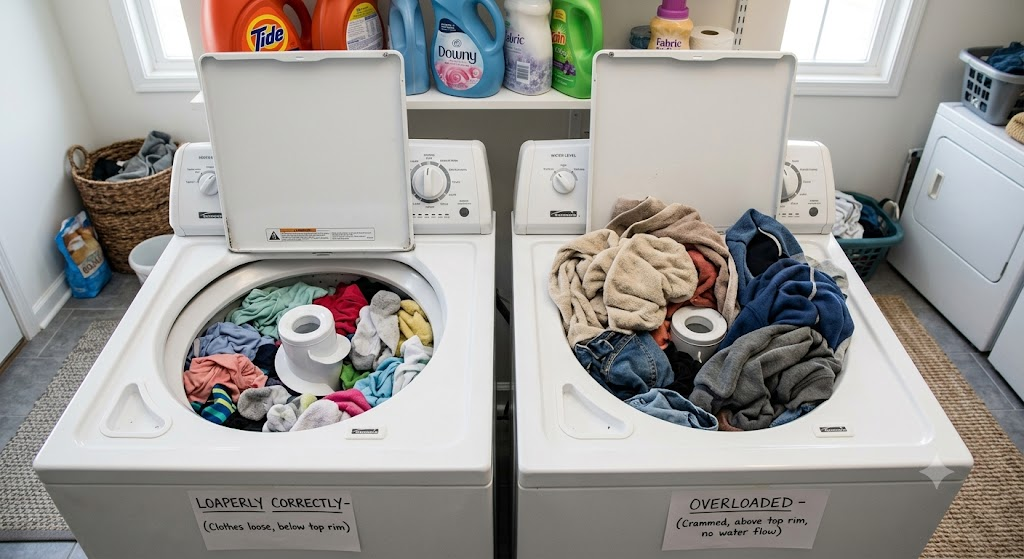
This is probably the easiest mistake to make. You have a pile of laundry staring at you, so why run two loads when you can squeeze everything into one?
Because clothes need room to move. When you pack the drum too tightly, water and detergent may not circulate properly. Clothes can also rub against each other more, which can contribute to wrinkling, tangling, and unnecessary wear.
If your current washer struggles with large loads or specific fabrics, it may be worth comparing washing machine features before replacing it.
How to avoid it
Follow your washer manufacturer’s loading instructions rather than trying to fill the drum to the absolute maximum. A practical rule is to leave enough room for clothes to move freely rather than stuffing items into every available space.
For bulky items such as comforters, blankets, and large towels, pay particular attention to the washer’s capacity.
Benefit
A properly sized load can clean and rinse more evenly and reduce the temptation to run an additional wash because clothes didn’t come out clean.
2. Using Too Much Detergent
More detergent doesn’t mean cleaner clothes. In fact, excessive detergent can leave residue behind. Clothes may feel stiff, look dull, or develop white marks. Too much product can also make rinsing more difficult.
This mistake is especially easy with concentrated detergents because the amount that looks “right” in the cap may be far more than your load requires.
How to avoid it
Check the detergent label and your washer instructions. Consider:
- Load size
- How dirty the clothes are
- Detergent concentration
- Washer type
- Water conditions
If your washer requires HE detergent, use detergent labeled for high-efficiency machines. Don’t automatically fill the measuring cap to the top. The right detergent matters, but using the correct amount is just as important as choosing the product
A useful clue
If your clothes repeatedly come out with a slippery or chalky residue, don’t immediately add more detergent. You may already be using too much.
3. Ignoring Clothing Care Labels
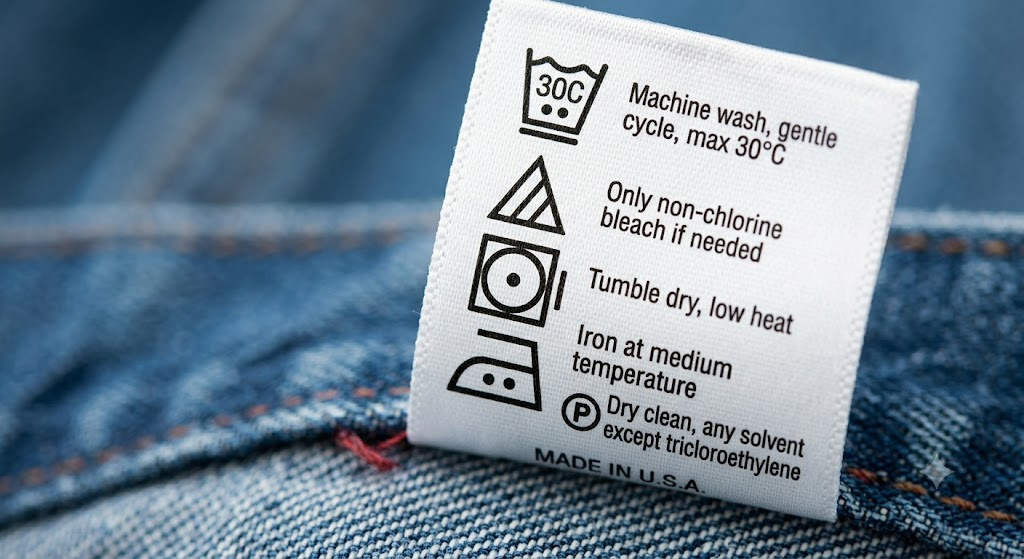
That tiny tag inside your shirt isn’t decoration. Care labels tell you how a garment should be washed, dried, bleached, ironed, or professionally cleaned. A cotton T-shirt and a wool sweater shouldn’t receive the same treatment.
How to avoid it
Before washing a new or expensive garment, check:
- Washing temperature
- Machine-wash instructions
- Hand-wash instructions
- Bleach restrictions
- Tumble-drying instructions
- Dry-cleaning instructions
- Ironing temperature
When the care label says a garment requires professional care, don’t assume a delicate washer cycle will automatically make it safe to wash at home.
Benefit
Following the label can help reduce shrinking, fading, stretching, and heat-related damage.
4. Washing Everything in Hot Water
Hot water has its place, but it shouldn’t be the automatic choice for every load. Heat can contribute to fading or shrinking for some garments. It can also consume more energy than colder washing.
For many everyday loads, cold water is a perfectly reasonable choice when the garment and detergent are compatible with it. The U.S. Department of Energy recommends using cooler water when appropriate and notes that heating water accounts for much of the energy used by a washing machine.
How to avoid it
Choose the temperature based on the garment and the wash requirement rather than assuming “hot equals cleaner.” Use the care label and detergent instructions as your starting point.
Don’t take this too far
Cold water isn’t a universal answer either. Heavily soiled or oily items may need different treatment, and some items have specific care instructions. The goal isn’t “always cold.” The goal is the right temperature for the job.
5. Mixing Colors Without Thinking About Dye Transfer
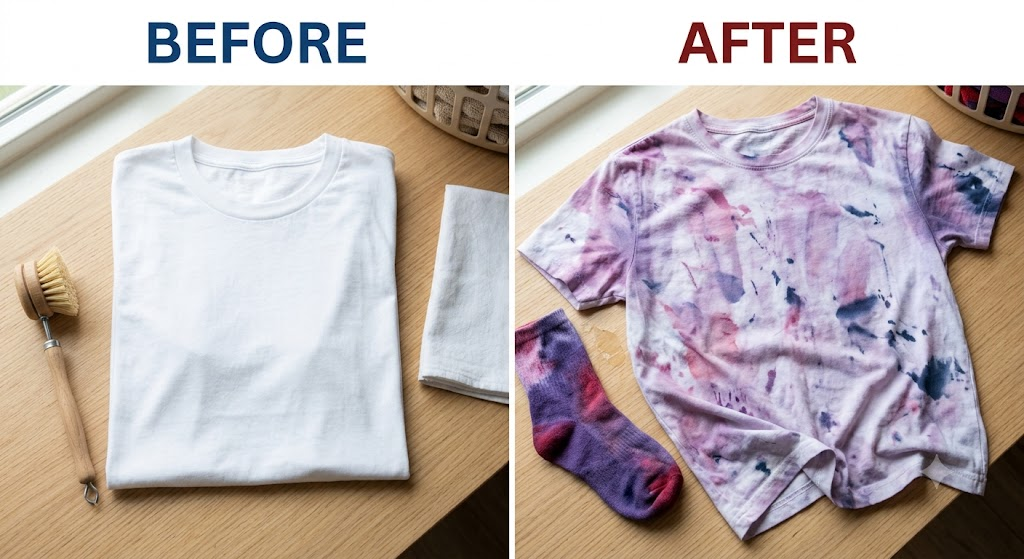
You don’t necessarily need 15 different laundry piles. But throwing a brand-new dark red shirt into a load of white towels isn’t exactly a smart experiment. New or strongly colored garments can release dye, especially during early washes.
How to avoid it
At minimum, separate:
- Whites
- Dark colors
- Light colors
- Delicates
Be particularly cautious with new dark, red, navy, and brightly colored clothing. When you’re unsure whether something will bleed, wash it separately the first few times.
Benefit
You reduce the risk of turning white or light-colored clothing into an accidental new shade.
6. Washing Towels With Clothes That Attract Lint
Towels are excellent at producing lint. Some fabrics are excellent at collecting it. Put the two together and your black sweatshirt may leave the dryer looking like it spent the afternoon cuddling a stuffed animal.
Cotton towels, terry fabrics, and fleece can shed fibers, while some synthetic and textured fabrics attract them.
How to avoid it
When possible, wash:
- Towels with towels
- Heavy cottons with similar heavy items
- Lint-producing fabrics separately from lint-attracting garments
Also check pockets for tissues and paper before washing.
7. Treating Every Stain the Same Way
A coffee stain isn’t an oil stain. Mud isn’t makeup. Ink isn’t tomato sauce. Using the same treatment for every stain can waste time and sometimes make the problem worse.
How to avoid it
First identify the stain if possible. Then:
- Remove excess material carefully.
- Check the garment’s care instructions.
- Use a stain treatment appropriate for the stain and fabric.
- Give the treatment enough time to work.
- Wash according to the garment’s instructions.
The American Cleaning Institute recommends identifying and treating stains before laundering and checking wet clothing for remaining stains before putting it in the dryer.
The biggest stain mistake
Don’t automatically throw a stained garment into the dryer. Heat can make some stains much harder to remove. If you can still see the stain after washing, stop before drying.
8. Scrubbing Stains Too Aggressively
When you see a stubborn stain, your first instinct might be to attack it like you’re cleaning a garage floor. That’s not always helpful. Aggressive rubbing can spread some stains and put unnecessary stress on fabric fibers, especially delicate materials.
Better approach
Blot or gently work on the stain using the appropriate treatment instead of aggressively grinding it into the fabric. For expensive garments, delicate fabrics, or difficult stains, professional cleaning may be the safer choice.
9. Leaving Wet Clothes in the Washer
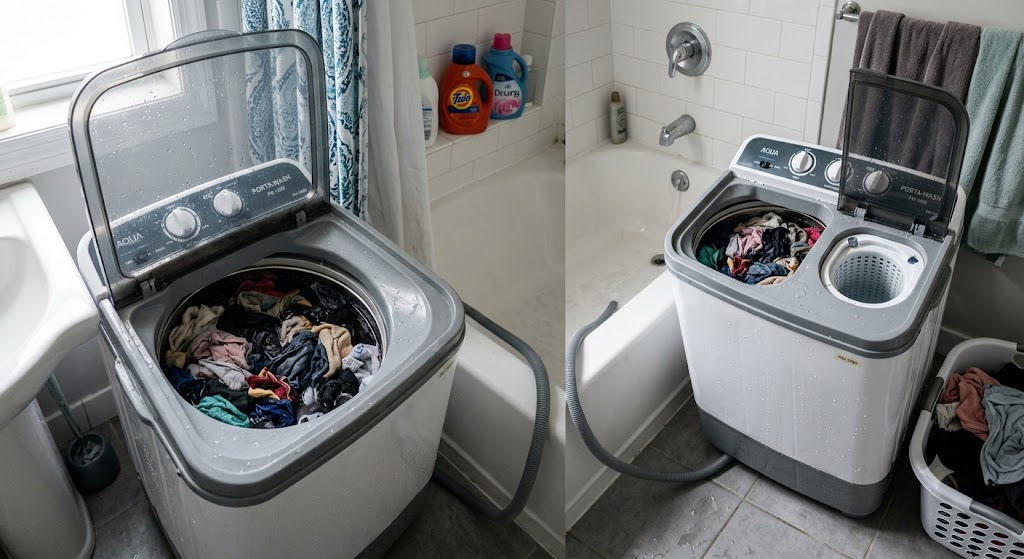
You’ve started a load before work. Then work gets busy. Then dinner happens. Then you remember the laundry at bedtime. We’ve all been there. Wet clothes sitting in a closed washer for hours can develop a stale or unpleasant smell.
How to avoid it
Move clothes to the dryer or drying rack as soon as practical after the cycle finishes. If clothes already smell musty, simply spraying fragrance onto them isn’t a real solution. Rewash them if appropriate and dry them thoroughly.
10. Over-Drying Your Clothes
Drying clothes until they’re absolutely bone-dry may seem harmless, but unnecessary heat and extended tumbling can contribute to wear, shrinking, wrinkles, and fabric damage.
The Department of Energy also recommends avoiding over-drying and using moisture-sensing features when available.
How to avoid it
Use:
- Moisture-sensor cycles when available
- Lower heat when appropriate
- Air drying for suitable garments
- The drying temperature specified by the care label
Don’t automatically use the hottest setting simply because it finishes faster.
Benefit
Less unnecessary heat can mean less fabric stress and lower dryer energy use.
11. Choosing the Wrong Dryer Setting
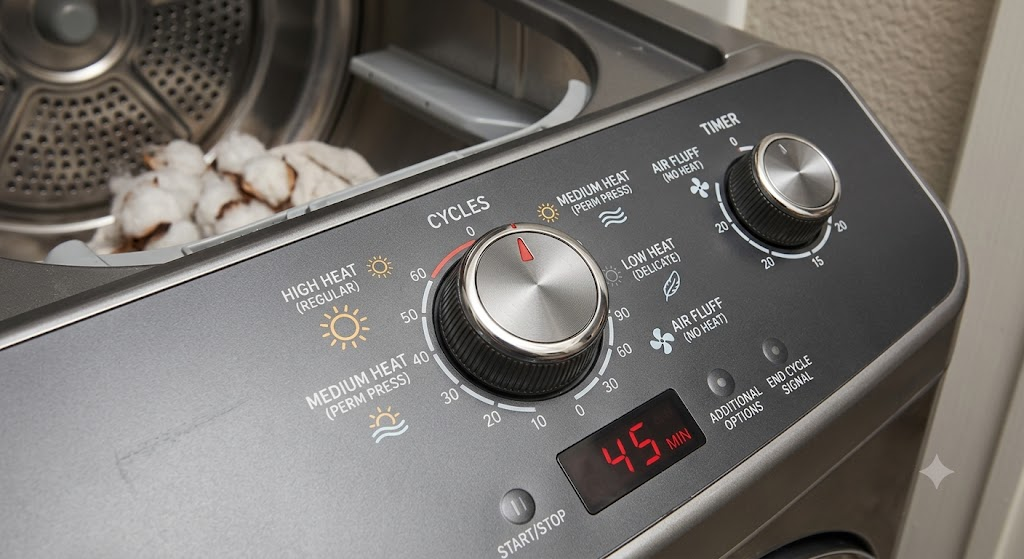
A dryer isn’t a one-button appliance. Different fabrics respond differently to heat. A heavy cotton towel can handle conditions that may be inappropriate for synthetic clothing or delicate fabrics.
How to avoid it
Choose the cycle based on the clothing rather than the size of the pile.
For example:
- Towels: appropriate higher-temperature cycle when permitted
- Everyday clothing: standard or lower-heat setting as appropriate
- Delicates: low heat or air dry when permitted
- Items marked not to tumble dry: don’t put them in the dryer
Always check the garment label first.
12. Forgetting to Empty Pockets
A tissue can turn an otherwise normal laundry load into a lint-covered disaster. Coins, pens, lip balm, keys, and other objects can cause even more trouble. Sharp objects can snag fabrics or scratch surfaces, while items such as pens can create stains.
Make this a habit
Before clothes go into the washer:
- Empty every pocket
- Check small coin pockets
- Remove receipts and tissues
- Check for pens
- Close appropriate fasteners
This takes seconds and can save an entire load.
13. Leaving Zippers, Hooks, and Straps Unsecured
Open zippers and hooks can catch on other garments. Long straps and drawstrings can tangle around clothing or washer components.
How to avoid it
Before washing:
- Zip zippers
- Secure hooks
- Tie loose straps and drawstrings
- Check damaged seams
- Turn appropriate garments inside out
Manufacturers such as Maytag specifically recommend emptying pockets and securing zippers, hooks, snaps, and straps to reduce snagging and fabric damage.
14. Washing Delicates Like Regular Clothes

Lace, lingerie, silk, fine knits, embellished garments, and other delicate items often need more care than a standard T-shirt. Throwing them into a normal heavy-duty cycle can cause stretching, snagging, pilling, or other damage.
How to avoid it
Depending on the care label:
- Use a delicate cycle
- Use a mesh laundry bag
- Reduce agitation when appropriate
- Use the recommended water temperature
- Air dry or dry flat when instructed
A mesh bag isn’t magic armor, though. If the care label says the garment needs professional cleaning, follow that instruction.
15. Using Too Much Fabric Softener
Fabric softener isn’t automatically bad, but using more than recommended isn’t a shortcut to softer clothes. Excess product can leave buildup on fabrics and washer components. It may also be inappropriate for certain items where maintaining absorbency or specific fabric performance matters.
How to avoid it
Measure it. Don’t pour it directly onto clothing unless the product and washer instructions specifically allow that method. Also check your garment and washer manufacturer’s recommendations. If you’re washing items such as towels or performance fabrics, consider whether fabric softener is actually necessary.
16. Never Cleaning the Washing Machine
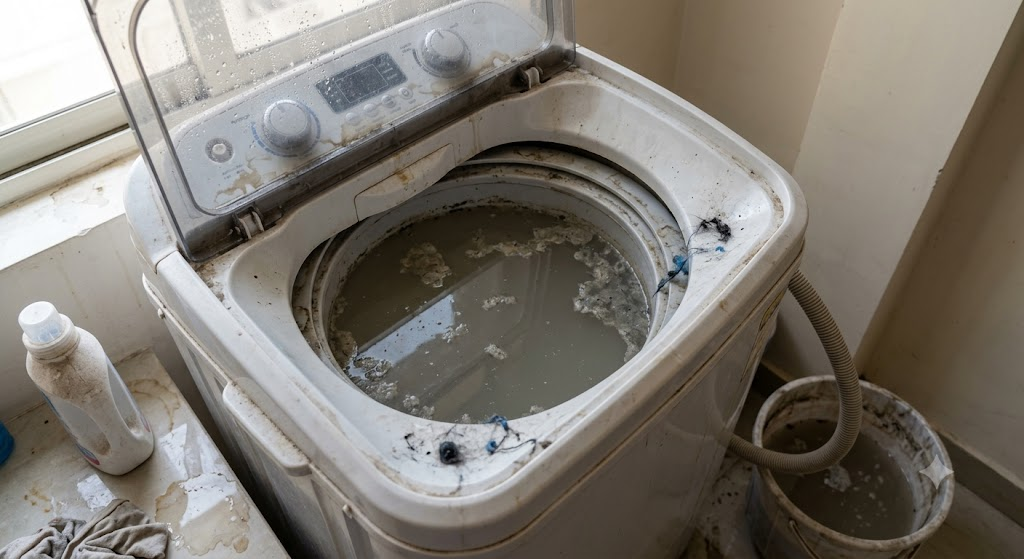
Here’s an uncomfortable truth:
Your washing machine needs cleaning too. Detergent residue, moisture, dirt, lint, and other buildup can accumulate inside the machine. If your washer has a cleaning or maintenance cycle, use it according to the manufacturer’s instructions.
If your washer has started developing a musty smell, cleaning the machine itself should be your next step.
Don’t blindly mix cleaning chemicals
This is an important safety point. Don’t experiment by combining household cleaning products just because an online laundry hack claims it works. Follow your washer manufacturer’s cleaning instructions and the instructions printed on cleaning products.
Signs your washer needs attention
Look for:
- Musty smells
- Visible residue
- Mold-like buildup around seals
- Clothes that don’t smell fresh after washing
- Detergent buildup
17. Ignoring the Dryer Lint Screen and Vent
The dryer isn’t finished with its job just because the clothes are dry. Lint management matters for both performance and safety. Clean the lint screen after every load. The Department of Energy specifically recommends cleaning the lint screen after every load and periodically checking the dryer vent.
A clogged lint screen or restricted vent can reduce airflow and increase drying time. Whirlpool also recommends checking the lint screen and venting system when dryers take too long to dry clothes.
Don’t stop at the lint screen
If drying suddenly takes much longer than normal, investigate airflow. Warning signs include:
- Clothes remain damp after a normal cycle
- The laundry area becomes unusually hot or humid
- The dryer takes much longer than it used to
- Airflow at the exterior vent feels weak
If you’re not comfortable inspecting or cleaning the vent system, use a qualified professional.
One Laundry Mistake People Often Forget: Washing Clothes Too Often
Not every garment needs the same washing schedule. Underwear, socks, workout clothing, and heavily soiled clothing generally need frequent washing.
A jacket worn briefly over a clean shirt is different. Overwashing can mean more mechanical action, detergent exposure, and drying cycles than necessary.
A better approach
Think about:
- Sweat
- Odor
- Dirt
- Stains
- Direct skin contact
- Fabric type
- Manufacturer instructions
This doesn’t mean wearing obviously dirty clothing for a week. It means using common sense rather than automatically washing everything after one brief use.
Laundry Mistakes That Waste the Most Energy
If reducing household energy use matters to you, focus on the habits that have the biggest impact.
1. Using hot water unnecessarily
Heating water takes energy, so cold or cooler washing can reduce energy consumption when suitable for the load.
2. Running tiny loads unnecessarily
Wash full loads when practical, while avoiding overloading.
3. Over-drying
Running a dryer after clothes are already dry wastes energy and adds unnecessary heat exposure.
4. Ignoring dryer airflow problems
A restricted vent can increase drying time.
5. Using air drying when practical
Air drying can eliminate dryer energy use altogether for suitable garments. The U.S. Department of Energy recommends air drying when possible and using moisture-sensing dryer features to prevent unnecessary drying.
For households doing several loads each week, choosing the right washer and dryer can make laundry considerably easier.
What to Do If You Already Made a Laundry Mistake
Don’t assume a damaged-looking garment is automatically ruined.
Clothes have too much detergent residue
Run another rinse or wash using the appropriate settings, depending on the garment and washer instructions.
A stain survived the wash
Don’t dry the garment yet. Pretreat it appropriately and wash again if the fabric permits.
Clothes smell musty
Wash them again if appropriate and dry them thoroughly. Also investigate whether the washer itself needs cleaning.
Clothes shrank
Unfortunately, some heat-related shrinkage can’t be completely reversed. For certain garments, gentle reshaping while damp may help somewhat, but don’t expect a guaranteed recovery.
Clothes are covered in lint
Separate lint-producing fabrics from lint-attracting fabrics in future loads. Also check pockets for forgotten tissues or paper.
A Simple Laundry Routine That Prevents Most Problems
You don’t need a complicated laundry system. Use this five-minute checklist before starting a load.
Before washing
- Read care labels for unfamiliar or expensive clothing
- Empty pockets
- Separate whites, darks, lights, and delicates
- Separate heavy lint-producing items when appropriate
- Close zippers and secure hooks
- Pretreat visible stains
- Check the washer for forgotten objects
During washing
- Don’t overload the drum
- Use the correct detergent
- Measure detergent instead of guessing
- Choose the appropriate temperature
- Select the appropriate cycle
Before drying
- Check for remaining stains
- Read drying instructions
- Shake out tangled clothing
- Choose the appropriate heat
- Clean the lint screen
After drying
- Remove clothes promptly
- Fold or hang them
- Don’t leave dry clothes sitting in a hot dryer unnecessarily
- Check for unusual dampness or drying problems
If you’re still unsure which cycle to choose, learn how to use a washing machine step by step before starting your next load.
Laundry Mistakes: What’s Actually Worth Changing?
You don’t have to completely rebuild your laundry routine. Start with these five changes:
| Mistake | Better habit | Main benefit |
|---|---|---|
| Overloading | Give clothes room to move | Better cleaning and rinsing |
| Too much detergent | Measure the recommended amount | Less residue |
| Washing everything hot | Choose temperature by fabric and need | Less wear and energy use |
| Drying everything on high heat | Match heat to fabric | Less shrinking and damage |
| Ignoring stains before drying | Treat stains before the dryer | Better chance of removal |
| Mixing towels with delicate clothing | Separate heavy and delicate loads | Less lint and friction |
| Leaving wet clothes in washer | Move them promptly | Less stale odor |
| Ignoring lint screen | Clean it after every load | Better airflow and safer operation |
How We Evaluated These Laundry Recommendations
This guide does not claim laboratory testing or hands-on testing of specific washers, dryers, detergents, or stain removers.
Instead, the recommendations were evaluated against manufacturer laundry guidance, cleaning-industry recommendations, energy-efficiency guidance, garment-care principles, and common household laundry scenarios.
The focus was on practical advice that applies across common U.S. front-load and top-load washers and electric or gas dryers rather than promoting a particular appliance brand.
That distinction matters. A laundry tip shouldn’t be presented as a universal rule when the correct approach can depend on the garment label, washer type, detergent, fabric, stain, and dryer.
Frequently Asked Questions
What are the most common laundry mistakes?
The most common mistakes include overloading the washer, using too much detergent, ignoring care labels, using excessive heat, mixing unsuitable fabrics, failing to pretreat stains, over-drying clothes, leaving wet laundry in the washer, and neglecting washer and dryer maintenance.
Is using more detergent better?
No. More detergent doesn’t automatically produce cleaner clothes. Excess detergent can leave residue behind and may make fabrics feel stiff or look dull.
Should I wash all clothes in cold water?
Not necessarily. Cold water works well for many everyday loads, but the correct temperature depends on the fabric, garment instructions, soil level, detergent, and cleaning requirements.
Can I put stained clothes in the dryer?
It’s better to check the stain before drying. If the stain remains, treat it again rather than automatically applying dryer heat. Some stains become much harder to remove after heat exposure.
How full should a washing machine be?
Avoid tightly packing the washer. Clothes need enough room to move through the wash and rinse process. Always follow the loading guidance for your specific machine.
How often should I clean my washing machine?
Follow your washer manufacturer’s maintenance instructions. If you notice odors, residue, or buildup, don’t wait for a fixed calendar date to investigate the problem.
Should towels be washed separately?
When practical, yes. Towels can produce lint and are heavier than many everyday garments. Washing them with similar heavy items can reduce lint transfer and excessive friction.
Why do my clothes smell bad after washing?
Common causes include leaving wet clothes in the washer too long, inadequate drying, washer buildup, or restricted airflow during drying. Rewashing the clothes may help, but you should also investigate the underlying cause.
How can I make my clothes last longer?
Follow care labels, avoid unnecessary heat, use the correct amount of detergent, pretreat stains, avoid overloading, separate unsuitable fabrics, and use the correct drying method.
Final Verdict
The biggest laundry mistakes aren’t complicated.
They’re usually small shortcuts that seem harmless: filling the washer a little too much, adding an extra splash of detergent, choosing high heat because it’s faster, or throwing a stained shirt into the dryer because you don’t have time to deal with it.
The easiest solution is to slow down for a few seconds before pressing Start.
Check the label. Sort the load. Measure the detergent. Treat stains early. Don’t overload the washer. Use the right drying setting. Clean the lint screen.
Those habits won’t make laundry exciting, but they can help your clothes stay cleaner, look better, and last longer. And that’s probably the closest laundry gets to a win-win.
Recommended Reading:
- 20 Ways to Dry Your Laundry in a Small Apartment Without Losing Your Floor
- How to Use a Portable Washing Machine: 15 Steps + Mistakes to Avoid
- Portable Washing Machine Leaking Water: 9 Causes and How to Fix It
- 10 Best Portable Washing Machines and Dryers in 2026: Top Picks

Sourabh researches and writes about home appliances, kitchen gadgets, and common appliance problems to help readers make smarter buying decisions. He specializes in Portable washing machines and appliance troubleshooting guides.
At compactHomeHub, Sourabh focuses on creating easy-to-understand content that simplifies technical appliance issues into practical solutions. His goal is to help users save time, avoid costly mistakes, and choose the right appliances with confidence.