Doing laundry isn’t exactly anyone’s favorite activity. Now imagine carrying heavy bags of clothes down apartment stairs, waiting for a shared laundry room, or spending money at a laundromat every week.
That’s the reality for millions of Americans living in apartments, dorm rooms, RV travelers, tiny homes, and rental properties. This is where portable washing machines come in.
These compact appliances have become increasingly popular because they allow people to wash clothes at home without needing a dedicated laundry room. They’re smaller, more affordable, and easier to install than traditional washing machines.
What Is a Portable Washing Machine?
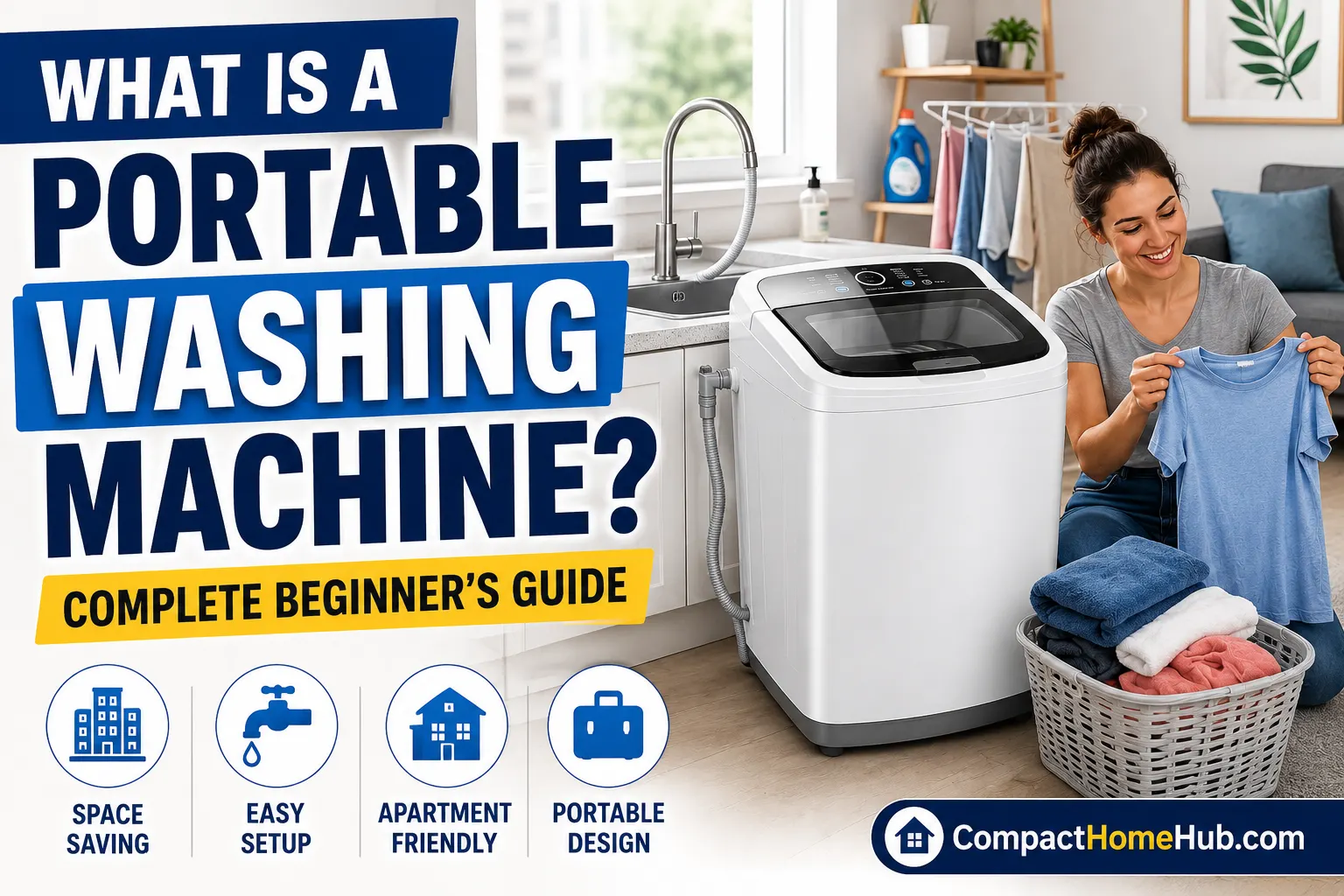
A portable washing machine is a compact, lightweight laundry appliance designed to wash clothes without requiring a permanent plumbing hookup or a dedicated laundry room. Instead of being hardwired into your home’s water supply, it connects temporarily to a standard kitchen or bathroom faucet using an adapter.
After the wash cycle, water drains into your sink or a bucket. Most models weigh between 10 and 30 pounds and can be stored in a closet, rolled under a counter, or tucked into an RV cabinet when not in use.
Why Portable Washing Machines Are Popular?
Portable washing machines have become increasingly popular across the United States, especially among apartment renters, college students, RV owners, and people living in small homes. Their growing popularity isn’t just about saving space it’s about convenience, flexibility, and reducing laundry costs.
- Perfect for Apartments: Many apartments don’t have built-in washer and dryer hookups. Portable washing machines allow renters to do laundry at home without relying on shared laundry rooms
- Save Money on Laundry: Regular trips to the laundromat can become expensive over time. A portable washing machine helps users reduce washing costs by handling everyday laundry at home.
- Ideal for Small Spaces: Portable models are compact and lightweight. They fit easily in apartments, dorm rooms, RVs, tiny homes, and even closets when not in use.
- Easy to Install: Most portable washing machines connect directly to a kitchen or bathroom faucet. Users don’t need permanent professional installation.
- Convenient for Busy Lifestyles: Nobody enjoys waiting for machines to become available. Portable washers provide the convenience of washing clothes whenever needed.
- Perfect for Small Laundry Loads: Singles, couples, and students often don’t generate enough laundry to justify a large washer. Portable models are designed for smaller, more manageable loads.
How Does a Portable Washing Machine Work?
Many people hear the term portable washer and assume it’s just a smaller version of a traditional washing machine, that’s partly true.
A portable washing machine performs the same basic job as a full-size washer but in a more compact and flexible design. Most portable washers work in four simple stages:
Step 1. Water Intake: Most portable washers connect to a standard faucet using a quick-connect adapter . You attach the intake hose to your kitchen sink faucet, turn on the water, and the machine fills itself.
Step 2. Washing Cycle: Once filled, the drum rotates or agitates clothes using detergent and water. Detergent breaks down dirt and oils, and the mechanical action scrubs clothes clean.
Step 3. Draining Process: After washing, the machine pumps dirty water out through a drain hose. You direct this hose into your sink, a bathtub, or a bucket. Gravity-drain models are less common most modern portable washers use a pump to drain efficiently.
Step 4. Spinning: The machine spins clothing at high speed 400–1,000 RPM to remove excess water. Afterward, clothes typically need air drying or a dryer.
Features of Portable Washing Machine
Portable washing machines may be smaller than traditional washers, but they come packed with useful features that make laundry easier and more convenient. Here are the most common features you’ll find in modern portable washing machines.
- Compact and Space-Saving Design: designed for apartments, dorm rooms, RVs, tiny homes, and other small living spaces.
- Lightweight and Portable: Most portable washers are equipped with wheels or lightweight construction.
- Faucet Connection System: Many portable washing machines connect directly to a kitchen or bathroom faucet
- Multiple Wash Programs: Modern portable washers often include different wash cycles such as Normal Wash, quick wash, heavy wash etc.
- Adjustable Water Levels: Users can select different water levels depending on the load size.
- Energy-Efficient Operation: Portable washers generally use less electricity than traditional washing machines
- LED Display and Digital Controls: Many premium models have LED display, Push-button and timer features.
- Child Safety Lock: ome models include child lock function for safety.
- Easy Storage: Many portable washers are compact enough to fit inside closets, bathrooms, laundry cabinets, or under countertops when not in use.
- Lint Filter: Built-in lint filters help capture lint, pet hair, and fabric particles during washing, keeping clothes cleaner and protecting the machine.
Types of Portable Washing Machines
Not all portable washers are built the same. Understanding the different types helps you choose the right model.
1. Fully Automatic Portable Washing Machines: These machines handle washing, rinsing, and spinning automatically. You load your clothes, add detergent, select a cycle, and walk away.
Best for: Busy professionals, Apartment renters and Small families
2. Semi-Automatic Portable Washing Machines: These require some manual intervention during the washing process. You typically fill the machine manually or via hose, then manually move clothes from the wash tub to the spin tub when the wash cycle finishes.
Best for: Budget-conscious buyers and Occasional laundry users
3. Twin Tub Portable Washing Machines: Twin tub models have separate wash and spin compartments. One tub washes, the other spins at the same time. See the comparision between twin tub and single tub Portable Washing Machines for full detail.
Best for: Larger laundry loads and Families
4. Single Tub Portable Washing Machines: Everything happens inside one drum. One drum handles both washing and spinning in sequence.
Best For: Singles, couples, or anyone with minimal laundry
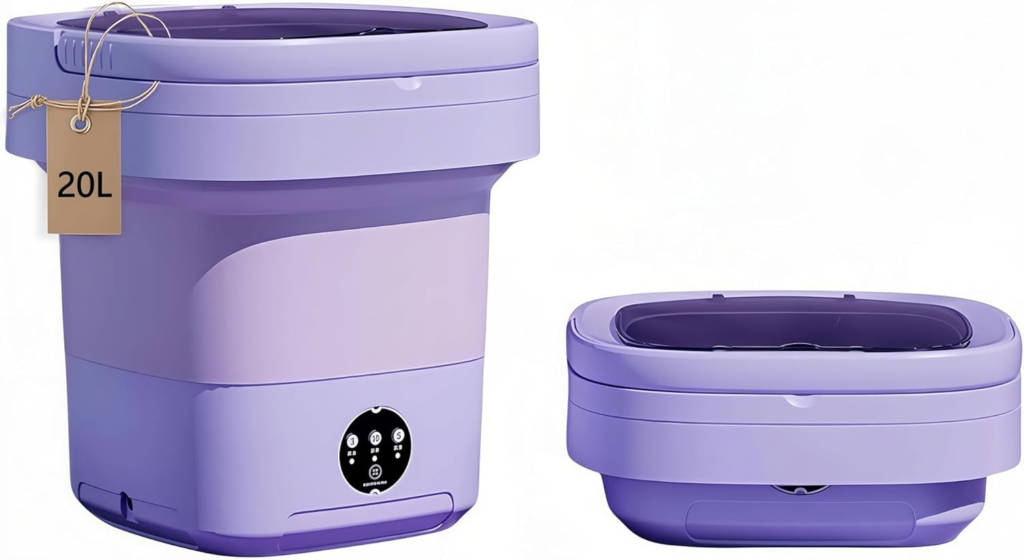
5. Mini Portable Washing Machines: These are extremely compact units and truly tiny often designed for baby clothes, delicates, or just a few garments at a time. It looks like a bucket than a washer.
Best For: Parents of newborns, travelers or Dorm rooms.
6. Countertop Portable Washing Machines: These are the newest and trendiest category. These sit on your kitchen counter like a large appliance and connect directly to your sink faucet.
Best For: Urban apartment dwellers with limited floor space.
Who Should Buy a Portable Washing Machine?
Portable washers aren’t for everyone. But they’re perfect for certain lifestyles.
1. Apartment Renters: Many apartments don’t include washer hookups. Portable machines solve that problem.
2. College Students: The average college student spends $30–$60 per month at campus or off-campus laundromats. A portable washer offers convenience.
3. RV Owners: Space is limited in RVs. A twin-tub or countertop portable washer fits easily in an RV cabinet and runs on campground electrical hookups.
4. Tiny Home Owners: Every square foot matters in tiny homes and there’s no room for a traditional washer. Portable models fit into custom cabinetry.
5. Travelers and Snowbirds: Portable washers move with you. They’re especially practical for extended stays in vacation rentals or second homes.
6. Small Families and Couples: Small households rarely need a large washer and they are doing laundry two or three times a week. Portable machines are often sufficient.
7. Singles: If you do laundry once a week and you have a small wardrobe, a compact machine handles everything you need.
Benefits of Portable Washing Machines

- Space Saving: A portable washer occupies significantly less space than a traditional machine.
- Water Efficiency: Most portable washers use less water per load.
- Energy Efficiency: Smaller motors typically consume less electricity.
- Mobility: You can move the machine when needed.
- Lower Laundry Costs: Frequent laundromat visits add up quickly. A portable washer can reduce those expenses.
- Easy Installation: Permanent plumbing modifications are not usually required.
Drawbacks of Portable Washing Machines
Portable washers aren’t perfect. Here’s what you should know before buying.
- Smaller capacity means more cycles for larger households. A family of four will find a portable washer supplemental, not sufficient.
- Cycle times are comparable to full-size washers, but you’ll run more loads.
- Not suitable for large items like king comforters, heavy winter coats, or multiple pairs of jeans at once.
- Manual involvement is required for semi-automatic models you can’t just throw clothes in and come back an hour later.
- Noise can be an issue with some models, especially during the spin cycle (more on this below).
- Drain setup requires some attention you need to direct the drain hose somewhere appropriate.
- Not permanent if you want to just forget laundry exists and have it all happen automatically, a full-size washer with a dedicated connection is still the gold standard.
Portable Washing Machine vs. Traditional Washing Machine
| Feature | Portable Washing Machine | Traditional Washing Machine |
|---|---|---|
| Average Cost | $50–$600 | $500–$1,500+ |
| Capacity | 5–22 lbs | 20–28 lbs |
| Installation | Faucet adapter, no plumber | Dedicated hookup required |
| Water Usage per Load | 5–15 gallons | 15–45 gallons |
| Energy Use per Load | 0.1–0.3 kWh | 0.3–1.0 kWh |
| Space Required | Closet-friendly | Dedicated laundry area |
| Mobility | Yes — moves anywhere | No — permanently installed |
| Wash Programs | 4–12 programs | 8–20+ programs |
| Noise Level | 55–75 dB | 50–70 dB |
| Ideal For | Apartments, RVs, dorms, travel | Full households, families |
| Lifespan | 3–8 years | 8–14 years |
Portable Washing Machine vs. Laundromat
Many buyers ask whether a portable washer is worth it compared to laundromats.
Laundromat costs (USA averages):
- Wash cycle: $3.50–$6.00 per load
- Dryer: $2.00–$4.00 per load
- Monthly average (8 loads): $44–$80/month
- Annual cost: $528–$960/year
Portable washer costs:
- Machine purchase: $80–$400
- Detergent (same as laundromat use): ~$5–$10/month
- Water and electricity: ~$3–$8/month
- Monthly total: ~$8–$18/month after purchase
So, most portable washer pays for itself within a year.
What Can You Wash in a Portable Washing Machine?
Portable washers handle the vast majority of everyday laundry without any issues.
- T-shirts, tank tops, and casual tops
- Underwear and socks
- Jeans
- Workout clothes and athletic wear
- Baby clothes and toddler clothing
- Light towels and hand towels
- Sheets for twin or full beds
- Delicates and pet clothes
What Should You Not Wash in a Portable Washing Machine?
Avoid washing:
- Large comforters
- Heavy rugs
- Thick winter blankets
- Oversized sleeping bags
- Large pet beds
Portable Washing Machine Capacity Guide
Capacity is measured in pounds of dry laundry. Here’s a practical breakdown:
- 5 lbs fits about 3–4 T-shirts, underwear, a pair of jeans, and a few socks
- 8 lbs fits about 5–6 T-shirts, a couple pairs of pants, underwear, and socks
- 10 lbs fits a mixed load of jeans, shirts, towels, and underwear
- 15 lbs fits a family size load of multiple pairs of jeans, several shirts, towels, and more
- 20 lbs is close to what a standard washer handles in one load
Portable Washing Machine Maintenance Tips
A well-maintained portable washer lasts years longer than a neglected one:
- Cleaning the Drum monthly: It prevent detergent buildup.
- Leave the Lid Open: This prevents mold growth.
- Check Hoses Regularly: Look for cracks or leaks.
- Clean Filters: Remove lint and debris regularly.
- Avoid Overloading: Overloading stresses the motor.
- Detergent: Use HE (High Efficiency) detergent.
- Storage Tips: drain all water completely before storing machine for long-term.
Common Problems and Solutions and Solutions
1. Washer Won’t Spin:
Cause: Unbalanced load, lid not properly closed, or overloaded drum.
Solution: Redistribute the laundry evenly, check that the lid is fully latched, and reduce load size.
2. Washer Won’t Drain:
Cause: Kinked drain hose, clogged lint filter, or the drain hose is positioned too high.
Solution: Check the hose for kinks, clean the lint filter, and make sure the drain hose end is lower than the machine.
3. Excessive Vibration:
Cause: Machine on an uneven surface or unbalanced load.
Solution: Place on a flat, hard floor and use anti-vibration pads help redistribute the load evenly.
4. Water Leakage
Cause: Loose hose connections, damaged hose, or overfilling.
Solution: Check all connections and tighten if loose.
5. Bad Odor
Cause: Mold or mildew buildup from leaving the lid closed after use.
Solution: Run an empty cycle with white vinegar or a washing machine cleaner tablet.
Portable Washing Machine Costs & Lifespan
- Budget Models cost around $50–$150: 2–4 years with regular use
- Mid-Range Models cost around $150–$350: 4–7 years
- Premium Models cost around $350–$700+: 5–10 years
Are Portable Washing Machines Worth It?
For the right person, absolutely yes. For others, not quite.
| A Portable Washer Is Worth It If… | A Portable Washer Might Not Be Worth It If… |
|---|---|
| You spend more than $30 per month at a laundromat. | You already have in-unit laundry. |
| You live in an apartment without a washer and dryer. | You have a large family and wash 10+ loads per week. |
| You live in an RV, tiny home, dorm room, or other small-space environment. | You frequently wash king-size comforters, heavy blankets, or winter coats. |
| You prefer doing laundry on your own schedule instead of waiting for shared machines. | You’re rarely home and generate very little laundry. |
| You have a studio or one-bedroom apartment with access to a kitchen or bathroom faucet. | You need the capacity and speed of a full-size washing machine. |
| You want to save money on laundromat fees over time. | You regularly wash bulky household items that exceed portable washer capacity. |
| You need a space-saving laundry solution that can be stored when not in use. | You have sufficient space and hookups for a traditional washing machine. |
| You typically wash clothes for one or two people. | Your household produces large amounts of laundry every week. |
Portable Washing Machines for Apartments
Apartment living is the primary driver of portable washer sales in the U.S. Key things to know:
- Check your lease: Some leases prohibit washers. Most portable washers don’t violate these clauses since they don’t require permanent installation, but double-check with your landlord.
- Kitchen vs. bathroom connection: Kitchen sinks are the most convenient. Most portable washers include adapters for standard kitchen faucets (both threaded and pull-out styles).
- Noise and neighbors: Spin cycles can be loud. Consider running laundry during reasonable hours if you have downstairs neighbors.
- Drain placement: Make sure your drain hose can reach your sink without pulling the machine to an awkward position.
Portable Washing Machines for RV Living
RV living has unique requirements:
- Power: Most portable washers run on standard 120V, which is compatible with campground hookups. Check wattage requirements — typically 200–400W for the wash cycle.
- Water source: You can connect to campground water hookups or fill manually from your RV water tank.
- Twin-tub models are popular among RVers because they don’t require a faucet connection — you can fill them with a bucket or jug.
- Compact countertop models like the Morus Zero work well in Class A RVs with sufficient counter space.
- Water drainage: Direct your drain hose to your RV’s gray water tank or a portable waste water container.
Portable Washing Machines for Dorm Rooms
College dorms are tricky:
- Check your school’s appliance policy first. Many dorms prohibit washing machines, even portable ones, due to water damage concerns. Some allow them in common areas.
- Off-campus apartments have no such restrictions and are the ideal setting.
- Compact countertop models are the least intrusive in a dorm setting.
- Mini portable washers (manual or small electric) may fly under the radar where full electric washers are prohibited.
Safety Tips for First-Time Users
- Never leave a connected machine unattended for hours.
- Don’t run on carpet.
- Check the faucet connection every few uses.
- Don’t overload.
- Unplug when not in use.
- Keep children away from operating machines.
- Read your manual before first use.
FAQs:
1. Can I use a portable washing machine in an apartment?
Yes. Portable washers connect to standard faucets and don’t require permanent installation. Check your lease to be safe, but most portable machines don’t violate no-washer clauses.
2. Do portable washing machines need a special outlet?
No. They run on standard 120V U.S. outlets. No special wiring or circuit needed.
How much water does a portable washing machine use?
Typically 5–15 gallons per load, compared to 15–45 gallons for a full-size washer.
4. Can portable washing machines wash jeans?
Yes, one or two pairs at a time depending on capacity. Always wash jeans inside-out in cold water to preserve color.
Do portable washers work with pull-out/spray faucets?
Most brands include adapters for pull-out faucets, but fit can vary. Check the included adapter list before purchasing if you have a non-standard faucet.
How long does a portable washer cycle take?
Typically 30–60 minutes for a full wash-and-spin cycle. Quick wash options run 15–20 minutes.
Can I wash sheets in a portable washer?
Twin and full-size sheets, yes. King-size sheets are usually too large for most portable washers.
Do portable washers drain automatically?
Fully automatic models drain automatically. Semi-automatic models may require you to trigger the drain manually.
Can I use regular detergent in a portable washer?
Use HE (High Efficiency) detergent. Regular detergent produces too many suds and can leave residue.
How loud are portable washing machines?
Wash cycles are generally quiet (55–65 dB). Spin cycles are louder (65–75 dB). Anti-vibration pads significantly reduce noise.
11. Can portable washers be used in RVs?
Absolutely. Twin-tub models in particular are popular with RVers. They run on standard campground 120V hookups.
What’s the lifespan of a portable washing machine?
With proper care, 3–8 years depending on the model and usage frequency.
Do portable washers come with a dryer?
Standalone portable washers do not include a dryer. Combo units like the Morus Zero wash and dry in the same machine. You’ll need a separate drying solution otherwise.
Is HE detergent required?
Yes, for most models. Using regular detergent causes excessive suds, which can interfere with sensors and leave residue.
Can I wash workout clothes and synthetic fabrics?
Yes and this is actually a great use case. Small, frequent loads of athletic wear are exactly what portable washers excel at.
What’s the maximum load I should put in a portable washer?
Never exceed the stated weight capacity. For best results, stay at about 80% of maximum capacity to allow clothes room to move freely.
Can I wash in cold water only?
Yes. Cold water washes work perfectly well for most everyday items and are gentler on colors and fabrics.
Final Verdict
Portable washing machines have genuinely earned their place as a mainstream laundry solution for millions of Americans. They’re not a compromise they’re the right tool for a specific set of circumstances, and if those circumstances describe your life, a portable washer will almost certainly make it better.
Recommended Reading:
- Portable Washing Machine Buyers Guide: 11 Things You Must Know Before Buying
- How Does a Portable Washing Machine Work? Step-by-Step
- Twin Tub vs Single Tub Washing Machine: Which Is Better for Apartments, RVs, and Families?
- 10 Best Portable Washing Machine for Apartments 2026: Top Picks Reviewed & Compared

Sourabh researches and writes about home appliances, kitchen gadgets, and common appliance problems to help readers make smarter buying decisions. He specializes in Portable washing machines and appliance troubleshooting guides.
At compactHomeHub, Sourabh focuses on creating easy-to-understand content that simplifies technical appliance issues into practical solutions. His goal is to help users save time, avoid costly mistakes, and choose the right appliances with confidence.