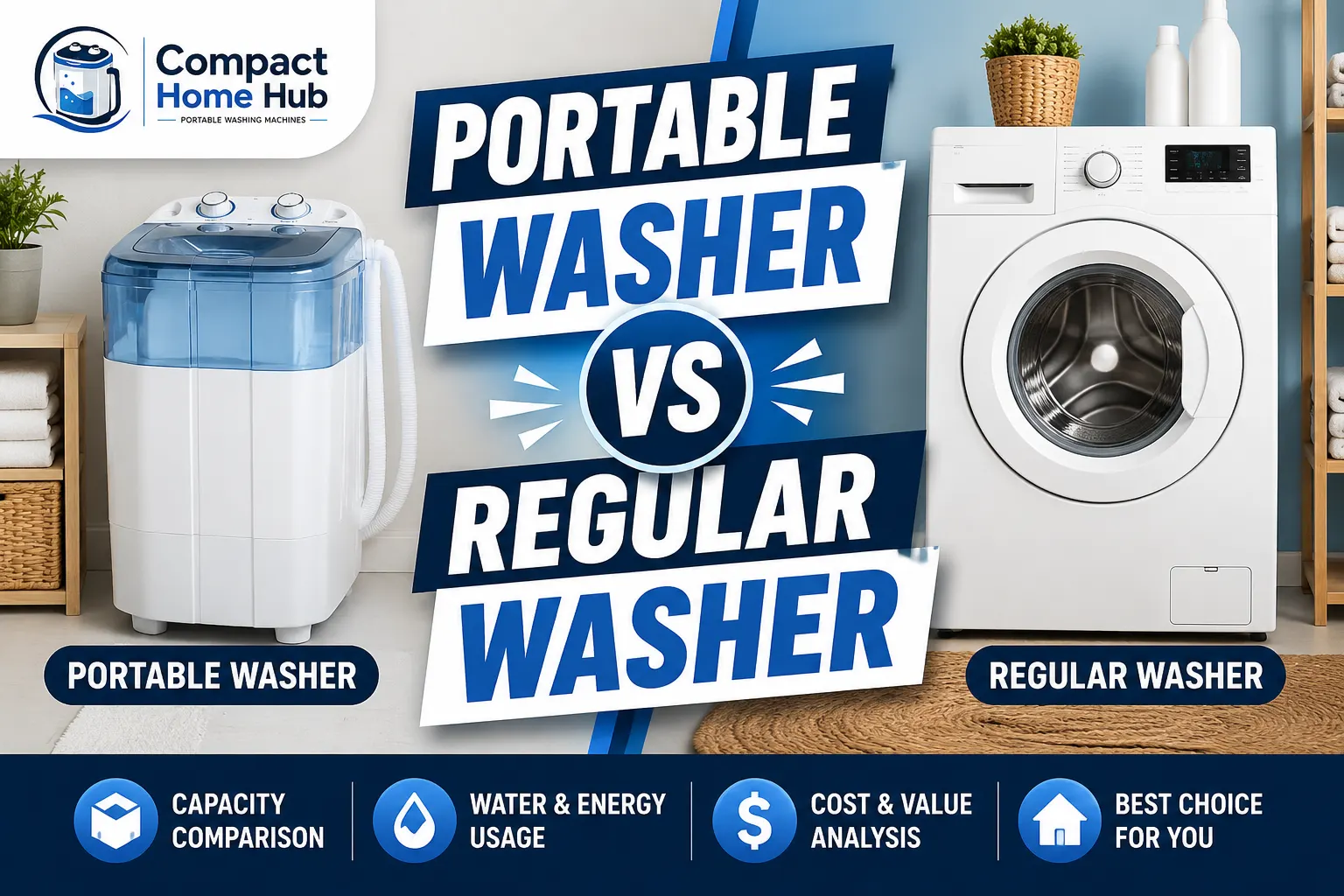
If you’re trying to decide between a portable washer and a regular washer, you’re not alone. Many apartment renters, college students, RV owners, and homeowners wonder whether a compact portable machine can really replace a traditional full-size washer. The answer depends on your living space, laundry habits, budget, and convenience needs.
If you’re considering a compact laundry solution, our guide on portable washing machine pros and cons can help you understand the benefits and limitations before buying.
Portable Washer vs Regular Washer
A portable washer is a compact washing machine designed for small spaces and temporary installations, while a regular washer is a full-size appliance permanently connected to water and drainage systems. Portable washers are ideal for apartments and small households, whereas regular washers provide greater capacity, stronger cleaning performance, and more convenience for families.
Portable Washer vs Regular Washer: At a Glance
| Feature | Portable Washer | Regular Washer |
|---|---|---|
| Capacity | Small | Large |
| Installation | Temporary | Permanent |
| Space Required | Minimal | Significant |
| Water Usage | Lower | Moderate |
| Energy Usage | Lower | Moderate |
| Cleaning Power | Good | Excellent |
| Spin Performance | Moderate | Strong |
| Portability | Excellent | None |
| Convenience | Moderate | Excellent |
| Upfront Cost | Lower | Higher |
| Best For | Apartments, RVs, Dorms | Homes, Families |
What Is a Portable Washer?
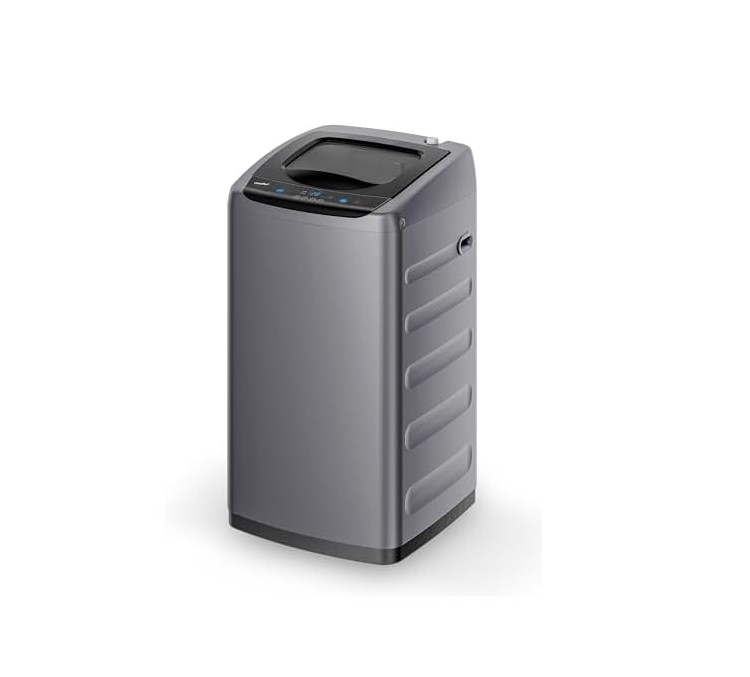
A portable washer is a compact washing machine that can be moved around and connected to a sink faucet when needed. Unlike traditional machines, it doesn’t require dedicated plumbing.
Most portable washers are designed for Apartments, Dorm rooms, Tiny homes, RVs, Small households and Renters.
Types of Portable Washers
- Fully Automatic Portable Washers
- Semi-Automatic Portable Washers
What Is a Regular Washer?
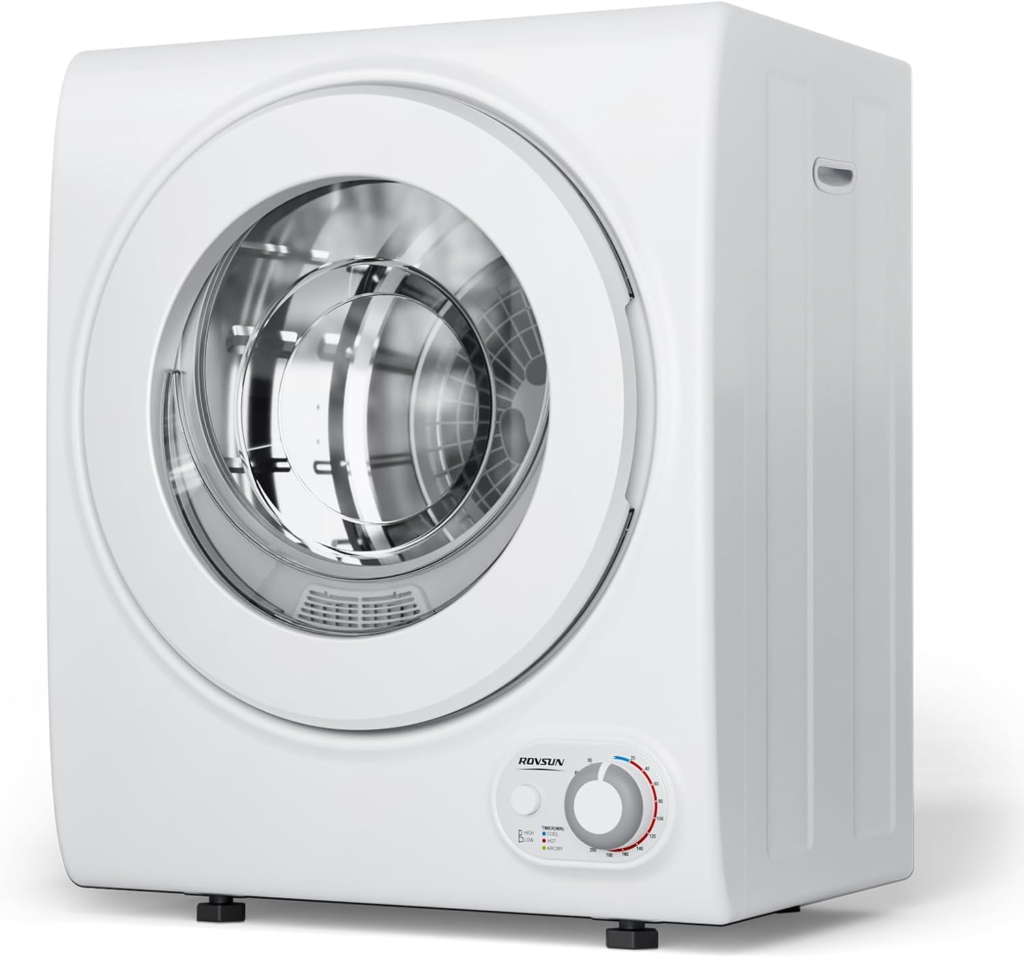
A regular washer is a full-size washing machine permanently installed in a laundry room, utility room, or designated space. These machines are designed to handle larger loads and frequent use.
Types of Regular Washers
- Top-Load Washers
- Front-Load Washers
Portable Washer vs Regular Washer: Detailed Comparison
1. Washing Performance
When it comes to cleaning power, regular washers have a clear advantage.
Full-size washers offer:
- More powerful motors
- Advanced wash cycles
- Better agitation systems
- Higher water pressure
- Improved stain removal
Portable washers can handle everyday laundry effectively, but they may struggle with:
- Heavy blankets
- Comforters
- Work uniforms
- Deep-set stains
For light to moderate laundry, most portable washers perform surprisingly well. However, if cleaning performance is your top priority, a regular washer wins.
Winner: Regular Washer
2. Capacity
Capacity is often the biggest difference in the portable washer vs regular washer comparison.
- Typical portable washer capacity 5 to 15 pounds of laundry
- Typical regular washer capacity 15 to 25+ pounds of laundry
A portable washer may handle few shirts, Small towels, Underwear or Lightweight clothing.
A regular washer can easily wash Family-sized loads, Bedding, Comforters or Multiple towels
Large families will quickly find portable washers limiting.
Winner: Regular Washer
3. Water Consumption
One reason many apartment dwellers choose portable washers is lower water usage.
Average water consumption:
| Washer Type | Water Per Load |
| Portable Washer | 8–20 gallons |
| Regular Washer | 15–40 gallons |
This difference can add up over time, especially in areas with expensive water bills.
Winner: Portable Washer
4. Energy Efficiency
Portable washers generally consume less electricity because:
- Smaller motors
- Smaller loads
- Shorter cycles
However, modern Energy Star-certified regular washers have significantly improved efficiency and can narrow the gap.
Winner: Portable Washer
5. Installation Requirements
Installation is where portable washers shine. No major plumbing modifications are necessary. Most portable washers require only:
- Standard electrical outlet
- Sink faucet connection
- Drain hose
Regular washers typically require:
- Dedicated water supply
- Drain connection
- Laundry area
- Professional installation in some cases
For renters, portable washers are usually the easier choice.
Winner: Portable Washer
6. Space Requirements
Many urban apartments simply don’t have room for a full-size washer. Portable washers can often fit:
- Inside closets
- Under counters
- In bathrooms
- In kitchen corners
Regular washers require a dedicated installation area.
Winner: Portable Washer
6. Portability
This category isn’t even close. Portable washers can be moved when not in use. Most portable units include:
- Wheels
- Compact dimensions
- Lightweight construction
A regular washer typically weighs 150 to 250 pounds and stays in one location.
Winner: Portable Washer
7. Laundry Time
Although portable washers use smaller loads, you may need multiple cycles to finish all your laundry.
For example: A family-sized load that takes one cycle in a regular washer may require three or four loads in a portable washer. This increases total laundry time significantly.
A regular washer reqires 1 or 2 loads to wash all the clothes.
Winner: Regular Washer
8. Noise Levels
Noise depends largely on the specific model. Portable washers sometimes produce more vibration because of their lightweight construction.
Modern front-load washers are generally among the quietest options available.
Winner: Tie
8. Maintenance
Portable washers typically have:
- Simpler components
- Lower repair costs
- Easier cleaning
However, because they’re moved frequently, hoses and connectors may wear faster.
Regular washers may require more expensive repairs but often have longer overall service lives.
Winner: Portable Washer
9. Durability
When comparing portable washer vs regular washer durability, full-size machines are built for heavier and more frequent use. A quality regular washer can often last 10 to 15 years and Sometimes longer with proper maintenance.
Portable units are moved frequently and have smaller components, they generally experience more wear and tear over time.
Winner: Regular Washer
10. Long-Term Cost
Many buyers focus only on the purchase price, but long-term ownership costs tell a different story.
Winner: Depends on Your Situation
Portable Washer Costs
| Expense | Typical Cost |
|---|---|
| Purchase Price | $150–$500 |
| Installation | Usually $0 |
| Water Usage | Lower |
| Electricity Usage | Lower |
| Repairs | Usually Less Expensive |
Regular Washer Costs
| Expense | Typical Cost |
| Purchase Price | $500–$1,500+ |
| Installation | $50–$300 |
| Water Usage | Moderate |
| Electricity Usage | Moderate |
| Repairs | Higher |
If you live alone or in a small apartment, a portable washer may save money overall. For larger households, a regular washer often provides better value because of its larger capacity and convenience.
Many shoppers also compare ownership costs with public laundry facilities. Our portable washer vs laundromat cost comparison shows which option saves more money over time.
Winner: Depends on Your Situation
11. User Convenience
Convenience is one area where regular washers excel.
Benefits include:
- Larger loads
- More wash programs
- Better automation
- Less frequent laundry sessions
- Faster completion of weekly laundry
Portable washers often require:
- Connecting hoses before use
- Disconnecting after use
- More frequent loads
- Additional drying time
For busy families, these extra steps can become frustrating.
Winner: Regular Washer
Portable Washer Pros and Cons
| Pros | Cons |
|---|---|
| Space-saving design | Smaller capacity |
| Lower purchase price | Less powerful cleaning |
| Lower water consumption | Longer overall laundry time |
| Lower electricity consumption | May struggle with bulky items |
| Easy installation | Limited wash cycle options |
| Ideal for renters | Shorter lifespan than many regular washers |
| Suitable for RVs and tiny homes | |
| Can be stored away when not in use |
Regular Washer Pros and Cons
| Regular Washer Pros | Regular Washer Cons |
|---|---|
| Excellent cleaning performance | Higher purchase cost |
| Large capacity | Requires permanent installation |
| Handles bulky items easily | Takes more space |
| More advanced wash cycles | Less suitable for renters |
| Better spin performance | More expensive repairs |
| Greater convenience | |
| Longer lifespan |
Best Choice for Different Users
- Best for Apartment Renters – Portable Washer
- Best for College Students – Portable Washer
- Best for RV Owners – Portable Washer
- Best for Small Households – Portable Washer
- Best for Large Families – Regular Washer
- Best for Seniors – Depends, many seniors prefer regular washers as they require less setup and manual handling.
- Best for Homeowners – Regular Washer
- Best for Budget Buyers – Portable Washer
- Best for Studio Apartment, Dorm Room, Tiny Home, Condo – Portable Washer
Common Mistakes Buyers Make
Many shoppers regret their purchase because they overlook important factors. Avoid these mistakes:
- Buying based only on price.
- Ignoring laundry volume.
- Forgetting to measure available space.
- Overestimating portable washer capacity.
- Underestimating installation requirements.
- Ignoring utility costs.
- Not checking apartment rules.
- Buying the smallest model available.
- Forgetting about bedding and blankets.
- Ignoring long-term durability.
Expert Buying Tips
Before choosing between a portable washer and a regular washer:
- Measure Your Space: Know exactly how much room you have available.
- Estimate Weekly Laundry: The more laundry you generate, the more valuable a larger machine becomes.
- Check Building Rules: Some apartments restrict portable washers.
- Consider Future Needs: Think about your situation over the next three to five years.
- Don’t Ignore Convenience: A lower purchase price may not be worth it if laundry becomes a weekly headache.
Before making your final decision, read our complete portable washer buying guide to avoid common mistakes.
FAQs:
Can a portable washer replace a regular washer?
For singles, couples, and apartment renters, yes. For larger families, a regular washer is usually the better choice.
Do portable washers clean clothes as well as regular washers?
They clean everyday clothing effectively but generally don’t match the cleaning power of full-size machines.
Are portable washers worth buying?
Yes, especially for renters, students, RV owners, and anyone with limited space.
How long do portable washers last?
Most portable washers last between 5 and 10 years with proper care.
Can a portable washer wash blankets?
Small blankets may fit, but large comforters usually require a regular washer.
Do portable washers use less water?
Yes, they typically use significantly less water per load.
Do portable washers use less electricity?
Yes, most portable models consume less electricity than full-size washers.
Can I use a portable washer in an apartment?
In many cases, yes. Always check building rules first.
Which washer is better for families?
A regular washer is usually the better option due to its larger capacity.
Is a portable washer cheaper than going to the laundromat?
For many users, yes. Frequent laundromat visits can become more expensive over time.
Final Verdict: Portable Washer vs Regular Washer
The right choice depends on your lifestyle and living situation.
Choose a portable washer if you:
- Live in an apartment
- Rent your home
- Have limited space
- Wash small loads frequently
- Need a budget-friendly solution
Choose a regular washer if you:
- Have a family
- Wash large loads regularly
- Need maximum cleaning performance
- Want greater convenience
- Have dedicated laundry space
Overall, the winner of the portable washer vs regular washer comparison is the regular washer for most homeowners and families because of its superior capacity, cleaning performance, and convenience. However, for renters, students, RV owners, and people living in small spaces, a portable washer can be a practical and cost-effective alternative.
Recommended Reading:
- 10 Portable Washing Machine Pros and Cons
- Portable Washing Machine vs Laundromat Cos
- Portable Washing Machine Buyers Guide
- Twin Tub vs Single Tub Washing Machine

Sourabh researches and writes about home appliances, kitchen gadgets, and common appliance problems to help readers make smarter buying decisions. He specializes in Portable washing machines and appliance troubleshooting guides.
At compactHomeHub, Sourabh focuses on creating easy-to-understand content that simplifies technical appliance issues into practical solutions. His goal is to help users save time, avoid costly mistakes, and choose the right appliances with confidence.